
Solvent Safety and Regulations: What Every Business Needs to Know
Industrial solvents are used in everything from pharmaceutical manufacturing and coatings to cleaning and general industrial processes. They play an important role in production, but like any chemical, they need to be handled, stored and transported using the correct ADR Regulations.
Most solvent-related incidents are preventable. Understanding the product you’re using, following the correct procedures and making sure employees are properly trained can significantly reduce risk. Safety must always come first when handling solvents whilst also ensuring that you have the correct chemical storage that meets REACH Regulations.

Start with the Safety Data Sheet (SDS)
Before using any solvent, you need to read the Material Safety Data Sheet (MSDS).
The MSDS contains essential information on the product’s hazardous nature, recommended personal protective equipment (PPE), storage requirements, first aid measures and emergency procedures. The MSDS must be the first point of reference when introducing a new solvent into the workplace to ensure your safety always.
Understand the Product
Not all solvents are the same. They will smell, react and appear differently while their viscosity will also vary.
Some are highly flammable, some generate hazardous vapours and others require specific storage conditions or handling procedures. Taking the time to understand these characteristics helps ensure the product is used safely and as intended.
Reduce Exposure
The two most common routes of exposure to people handling the solvents are inhalation and skin contact.
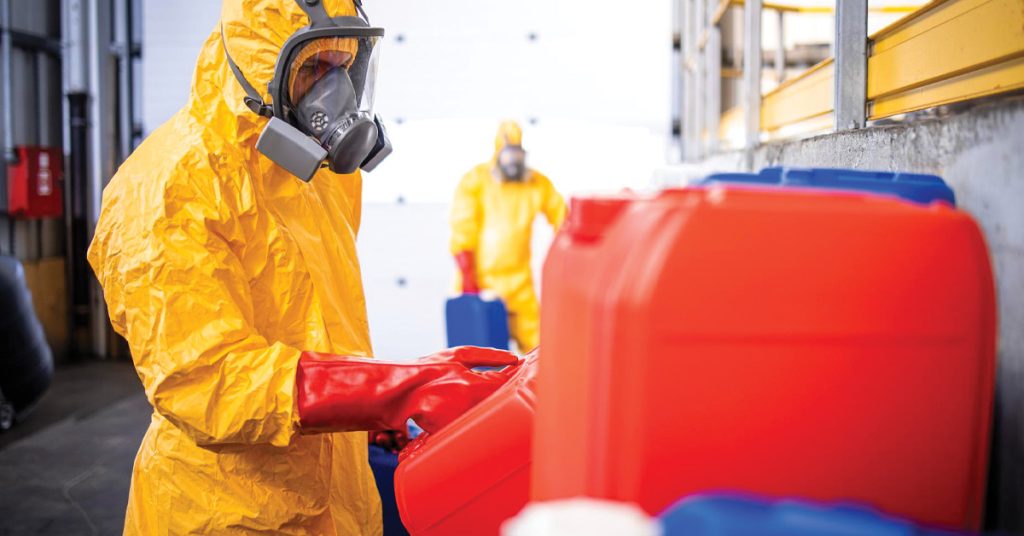
Good ventilation, appropriate handling procedures and the correct PPE all help minimise risk. Depending on the solvent and the application, this may include gloves, eye protection, protective clothing or respiratory protection.
Store Solvents Properly
Poor chemical storage can affect both safety and product quality.
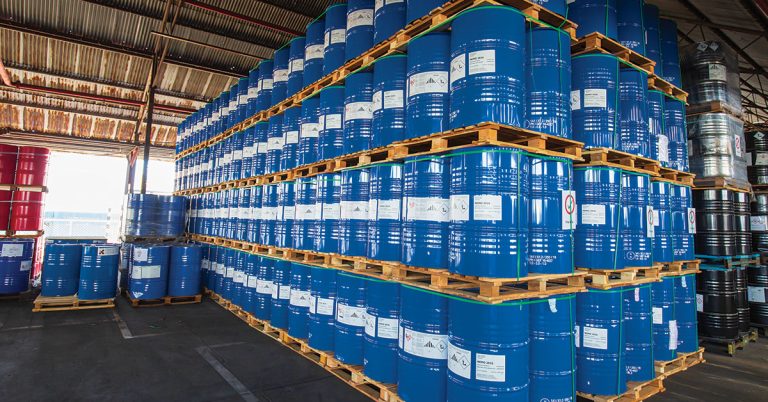
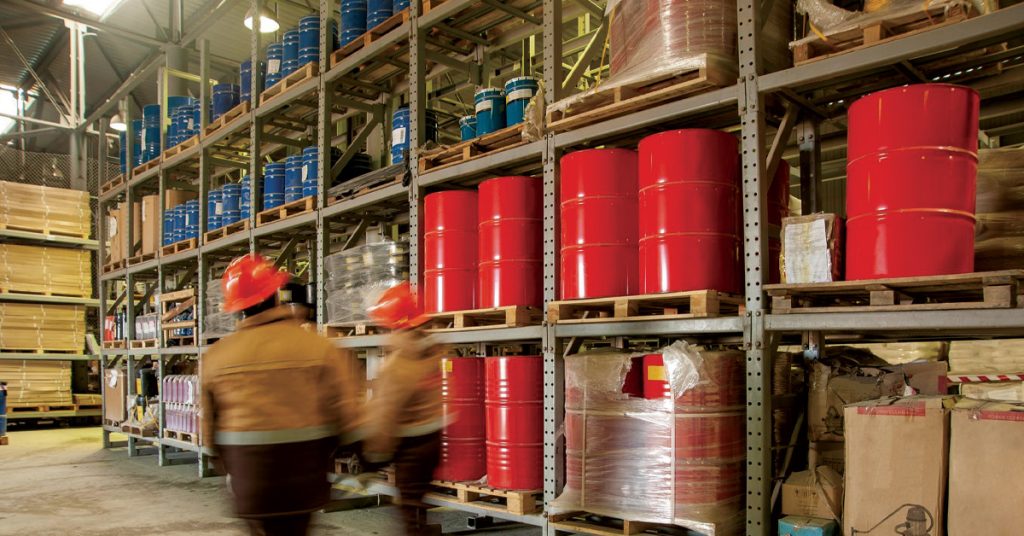
You must ensure to store solvents in suitable containers, keep them away from incompatible materials and ignition sources where required, and ensure storage areas are clearly identified. Spill response equipment should be available, and employees should know how to use it.
Prepare for Emergencies
Every workplace using solvents should have clear procedures for dealing with spills, accidental exposure and fire.
Regular training helps ensure employees know how to respond quickly and safely if an incident occurs.
Comply with Transport Regulations
Many solvents are classified as dangerous goods and must be transported in accordance with ADR regulations.
Correct packaging, labelling and documentation help ensure products move safely through the supply chain while meeting legal requirements.

Understand Your Legal Responsibilities
Businesses using solvents are responsible for complying with the regulations that apply to their operations.
REACH legislation governs the registration and safe use of chemicals across Europe, while guidance from the European Chemicals Agency (ECHA) provides practical information on chemical safety and compliance.
Understanding these requirements helps businesses protect employees, meet their legal obligations and maintain high safety standards. For example, if CTI are creating new chemical blends our SHEQ team will ensure to always register our products with ECHA.
Safe solvent handling isn’t just about compliance. It helps reduce accidents, minimise downtime and protect both people and the environment.
At Charles Tennant Ireland, we supply REACH chemicals that are compliant alongside the technical documentation customers need, including Safety Data Sheets and product information.
Our team is available to answer questions on product handling, storage and regulatory requirements, helping customers make informed decisions about the products they use.