
Peracetic Acid (PAA) Protocols on Irish Dairy Farms
Since the 2021 national ban on chlorine-based chemicals to mitigate chlorate residues in milk, Peracetic acid PAA, has become the cornerstone of modern Irish dairy hygiene.
This article looks at the chemistry, application, and farm-level management of PAA to maintain milk quality.
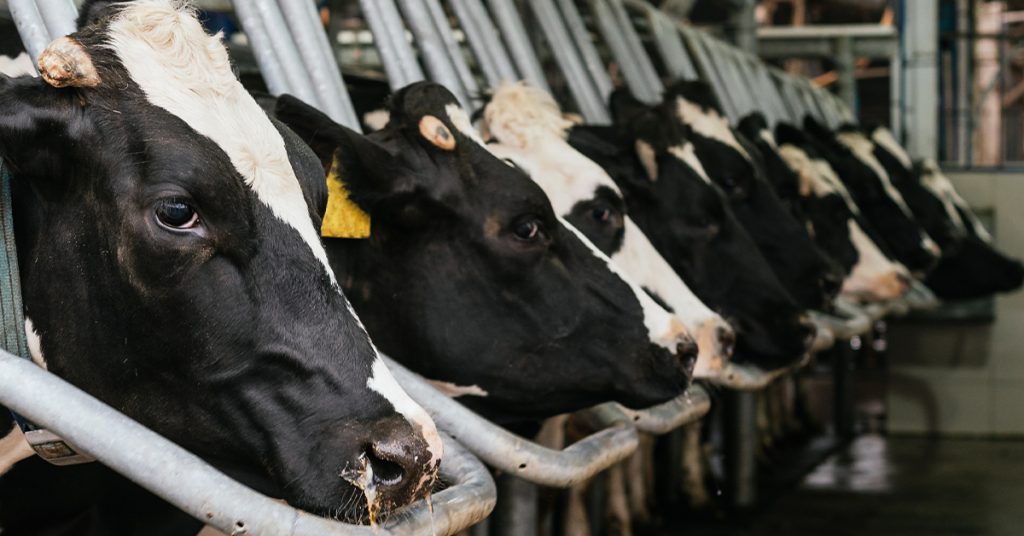
For Irish dairy farming, the cleaning routine used in each milking parlour can directly affect the hygiene and performance of every milking machine.
The Chemistry of Peracetic Acid in Dairy Hygiene
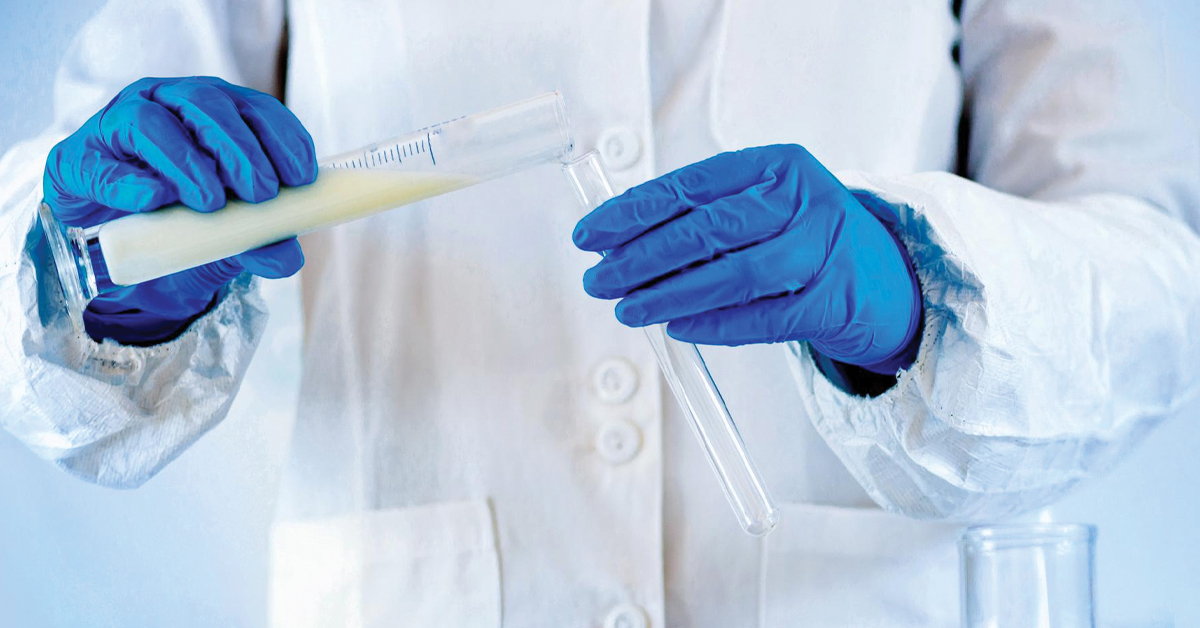
Peracetic acid, is a high-level organic peroxide. “High-level” means peracetic acid acts as a high-level disinfectant (HLD) capable of destroying all microorganisms, including tough bacterial spores surpassing standard or low-level sanitizers. It is an equilibrium mixture formed by the reaction of acetic acid and hydrogen peroxide in an aqueous solution: In this equilibrium, hydrogen peroxide contributes to the oxidising action of the final solution.
It is manufactured industrially by mixing acetic acid (the acid in vinegar) with hydrogen peroxide.
When PAA performs its disinfection job, it reacts rapidly and breaks down entirely into naturally occurring, non-toxic substances: water, oxygen, and acetic acid The hydrogen peroxide component also decomposes into water and oxygen as the solution breaks down.
Its adoption on Irish dairy farms is largely due to its potent oxidative capacity, which allows it to destroy a broad spectrum of microorganisms, including spores, yeasts, moulds, and viruses. Most importantly PAA has rapid microbiocidal action even at low temperatures. PAA is a High Level Disinfectant (HLD) even at low temperatures.
Mode of Action
PAA functions through the oxidation of cellular components. The chemical readily oxidizes and ruptures the cell walls and membranes of microorganisms.
Because the primary antimicrobial action is achieved via oxidation rather than chlorination, the use of PAA leaves no harmful halogenated residues in milk, milk powders or infant formula.
Eco-friendly Degradation Pathways
Unlike chlorine-based compounds, which can produce persistent and toxic organochlorines, PAA is entirely biodegradable.
Once it completes its biocidal function, PAA breaks down harmlessly into water, oxygen, and acetic acid. The remaining trace amounts of acetic acid are naturally metabolized by the cow or the environment, offering an environmentally sustainable solution.
Moorepark Research: Validating PAA Applications
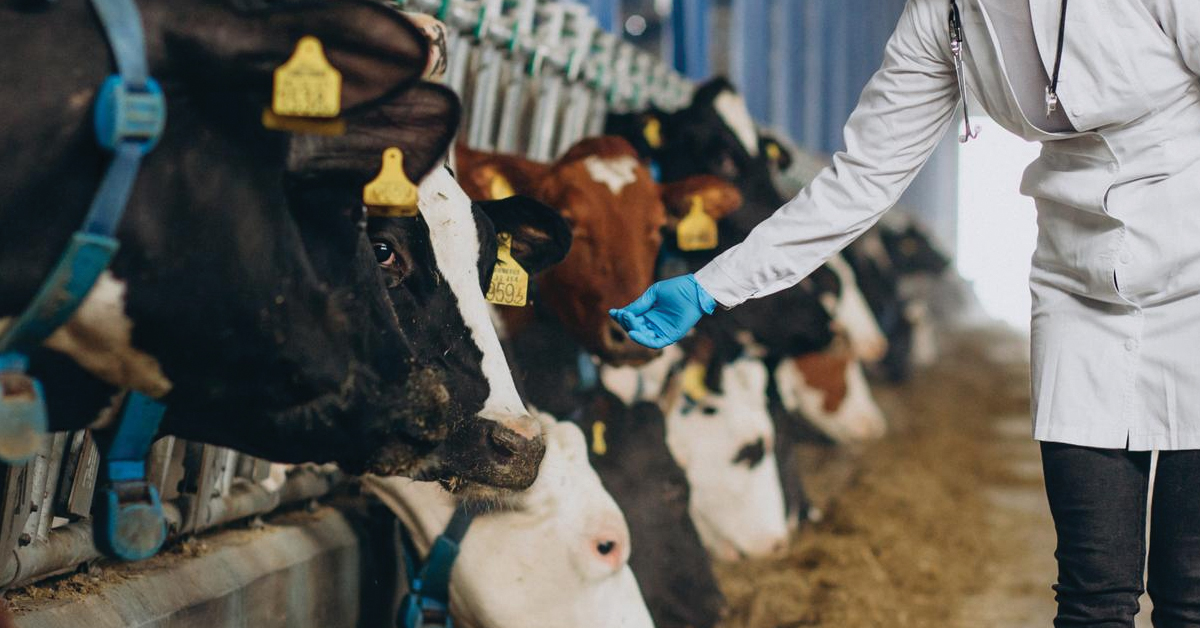
The Agriculture and Food Development Authority (Teagasc) at Moorepark has heavily researched PAA, especially in the context of chlorine-free wash routines. Initial studies on milk quality highlighted that shifting from chlorine to alternative products based on PAA, required recalibration of farm-level hygiene and temperature controls. This research is particularly relevant to Irish dairy farming, where dependable chlorine-free hygiene routines are essential for protecting milk quality.
Cluster Disinfection and Cross-Contamination Control
Mastitis is a persistent challenge for Irish grass-based herds. A seminal Teagasc study on milk quality found that cluster dipping between individual cow milkings with a peracetic acid solution effectively breaks the chain of bacterial transmission.
- The Experiment: Teagasc researchers investigated the impact of flushing clusters between cows with a 0.2% PAA solution.
- The Findings: The study determined that automated or manual flushing with 1 litre of water and 0.2% PAA eliminated 93% of Staphylococcal and 66% of Streptococcal bacteria from teatcup liners.
- The Impact: This results clearly show a reduction in the incidence of contagious mastitis spreading from quarter to quarter or cow to cow, preventing significant somatic cell count (SCC) spikes.
Peracetic Acid in the Final Rinse
In any non-chlorine cleaning protocols, PAA is recommended for inclusion in the final rinse cycle of both Clean-In-Place (CIP) systems and cluster flushing units. This final rinse helps sanitise each milking machine without leaving chlorine-based residues.
According to Moorepark recommendations, a common protocol involves a circulation wash with a caustic detergent (sodium hydroxide) followed by a thorough cold-water rinse. Once all caustic alkaline detergent has been completely purged from the system, a final sterilizing rinse containing PAA is applied. This eliminates thermoduric and psychrotrophic bacteria that typically colonize milk contact surfaces overnight.
Thermoduric bacteria are bacteria which can survive, to varying extents, the pasteurisation process. Species of bacteria which are thermoduric include Bacillus, Clostridium and Enterococci.
Psychrotrophic bacteria are cold-tolerant microorganisms that can grow at refrigeration temperatures (0°C to 7°C), with key examples including Pseudomonas, Listeria, and Bacillus.
Practical Farm Application: Protocols and Dilution Rates
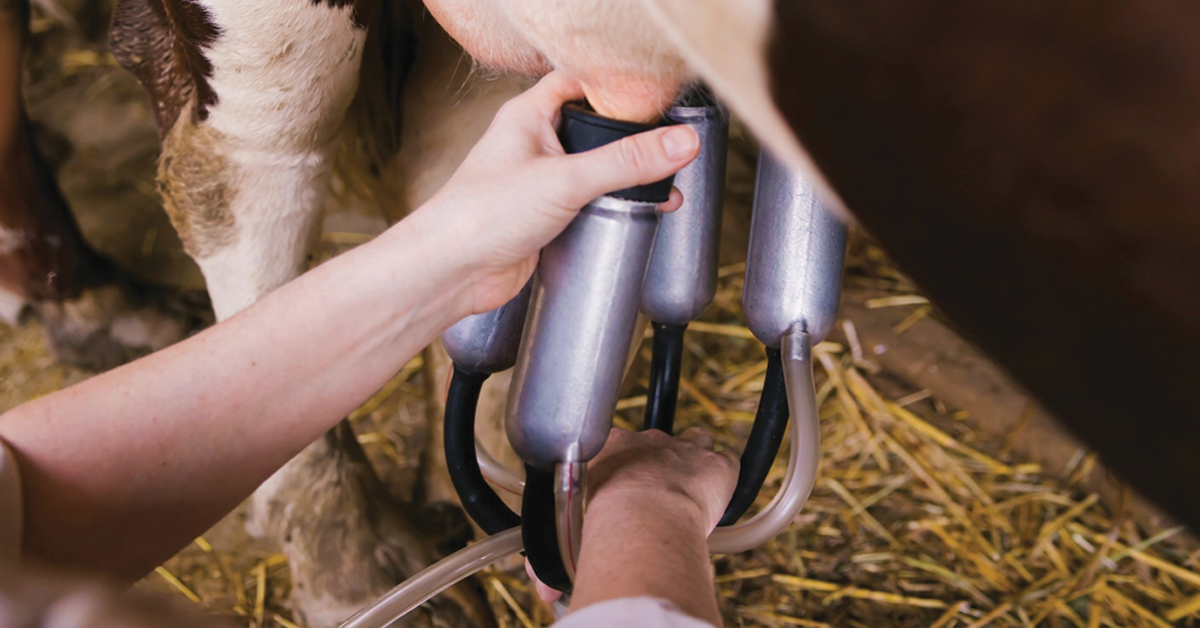
To successfully integrate peracetic acid into Irish dairy parlours, farmers must adhere to specific dilution rates, temperature constraints, and safety guidelines. In a working milking parlour, correct dosing is essential for protecting the milking machine and the milk-contact surfaces connected to it.
Recommended Dilution Rates
Commercially, PAA is widely available in a 5% stabilized concentration. Best-practice parameters for using 5% PAA are outlined below:
| Application | Recommended Dilution Rate | Active Ingredient per Litre | Target Pathogens |
|---|---|---|---|
| Cluster Dipping Flushing | 3 ml per 1 litre of clean water | 150 ppm | Staphylococcus, Streptococcus |
| Final Rinse (CIP / Pipelines) | 6 to 10 ml per 10 litres of clean water | 30 to 50ppm | Spores, yeasts, moulds, thermoduric bacteria |
The Importance of Thorough Rinsing
One of the most critical operational hazards on dairy farms is the interaction between caustic detergents and PAA. If the caustic detergent solution is not thoroughly rinsed from the milking plant before PAA is introduced, the alkaline solution will neutralize the acid. This neutralization renders the PAA completely ineffective as a sanitizer and wastes chemical inputs.
Teagasc guidelines mandate flushing the system with 14 litres of water per milking unit to remove all traces of detergent before initiating the peracetic acid rinse.
No Additional Rinsing
Unlike older chlorine protocols, a PAA-treated plant requires no additional post-sanitization rinsing. However, this is conditional on two parameters:
- Adherence to manufacturer-recommended dilution rates.
- Completion of the sanitizing routine at least one hour before the subsequent milking occasion.
The Shift in Routine: Powder vs. Liquid Systems
The transition to a chlorine-free system requires fundamentally different management than traditional chlorine-based wash routines. In summary powder caustic systems require once-weekly hot acid washes; Liquid caustic systems often require more regular hot water washes (minimum 7 times per week, alongside automated PAA final rinses to maintain hygienic standards.
Managing TBC and Thermoduric Counts
Some farmers initially experience spikes in Total Bacterial Count (TBC) and thermoduric bacteria after abandoning chlorine. The consensus opinion is that a successful chlorine-free transition requires strict adherence to wash cycles and temperatures. Farmers transitioning to PAA are advised to:
- Ensure wash cycle times are sufficient (around 8 to 10 minutes).
- Monitor wash water temperatures at the end of the cycle which should remain at 50O C.
- Use peracetic acid consistently as a final sterilizer to combat lingering thermoduric strains.
Reducing the Need for Weekly Acid Descaling
Another practical advantage of PAA, is how it reduces milk-stone buildup. When peracetic acid is used twice daily (morning and evening) in the final rinse, the mild acidity of the solution prevents the accumulation of milk-stone (calcium phosphate deposits). As a result, the requirement for a weekly acidic descaling product (such as nitric or phosphoric acid) is reduced, saving both time and chemical costs.
Bulk Tank Sanitization and Teat Preparation
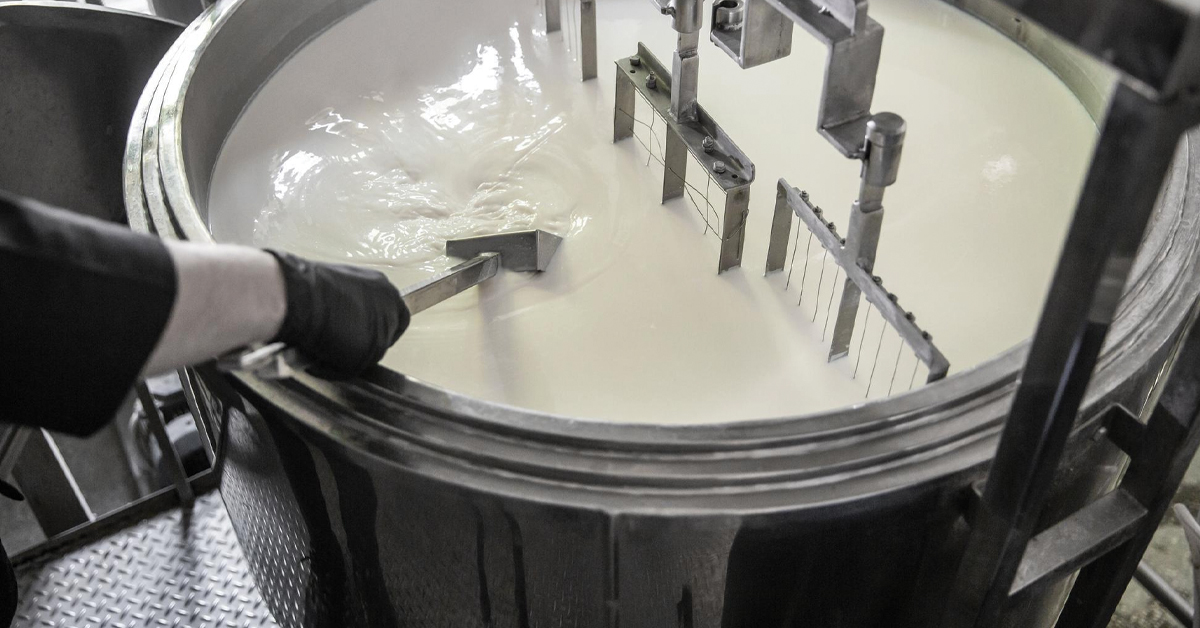
Beyond cluster disinfection and CIP wash routines, peracetic acid is also used in Bulk Tank Sanitation BTS on dairy farms.
Bulk Tank Sanitation
Direct expansion (DX) milk tanks are prime breeding grounds for psychrotrophic bacteria if sanitation protocols fail. Because many bulk tanks feature automated wash functions with limited dosing points, operators often alternate between sodium hydroxide and PAA-based sanitizers. Rinsing the bulk tank with a diluted PAA solution immediately prior to milk harvest prevents bacterial buildup, ensuring the total plate count (TPC) of the bulk milk remains low upon collection by the milk purchaser.
Post-Milking Teat Disinfection
While PAA is primarily used for plant hygiene, it also plays a role in udder health. Streptococcal and Staphylococcal bacteria can linger on teat skin. While specialized teat dips (like chlorhexidine or iodine) are standard, peracetic acid-based dips or sprays are sometimes employed as powerful oxidizers to reduce environmental bacterial loads on the teat end. However, due to its oxidizing strength, PAA teat formulations must be carefully buffered with emollients (like glycerin or sorbitol) to prevent teat chapping or irritation.
Safety, Storage, and Equipment Corrosion
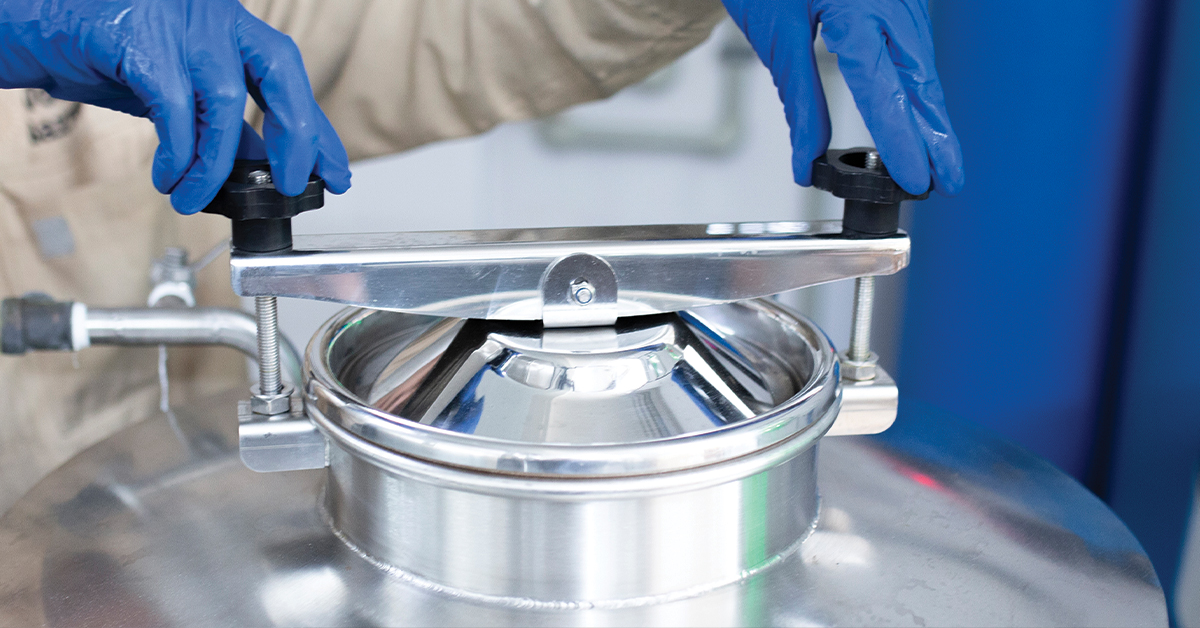
Despite its efficacy and eco-friendly degradation, peracetic acid is a hazardous chemical in its concentrated form. Proper safety and storage measures are vital to protect farm personnel and milking equipment. Routine checks should also confirm that every milking machine is compatible with the selected chemical concentration.
Chemical Safety Protocols
Concentrated PAA is a strong oxidizing agent. It emits pungent, irritating vapours and can cause severe skin burns and eye damage. Operators handling concentrated 5% PAA must use proper Personal Protective Equipment (PPE), including:
- Nitrile or neoprene chemical-resistant gloves.
- Chemical splash goggles.
- Full-face respirators (if handling large quantities in unventilated areas).
- Protective aprons or coveralls.
Material Compatibility and Corrosion Risks
While PAA at typical dilution rates is perfectly safe for 304 and 316-grade stainless steel, it is highly corrosive to softer metals commonly found in older dairy equipment. PAA will rapidly corrode copper, brass, zinc, and aluminium components.
Dairy Farmers upgrading to PAA-based regimes must verify that their wash lines, dosing pumps, and CIP recovery tanks do not contain these incompatible metals to prevent equipment failure.
Storage Considerations
PAA solutions are temperature-sensitive and prone to slow degradation over time. To preserve the stability and active concentration of the product, it must be stored in a cool, well-ventilated area out of direct sunlight. Containers must be kept tightly closed and vented to prevent the buildup of pressure caused by oxygen release.
Storing PAA near heat sources or combustible materials poses a significant fire hazard.
Compliance and Market Access
Since the implementation of the chlorate MRL and 0.01mg/kg for infant nutrition, maintaining access to premium European and global markets requires total exclusion of chlorine. Peracetic acid PAA degrades exclusively into water, oxygen, and acetic acid, this ensures milk products meet residue tolerances.
Sustainability and Carbon Footprint
As Irish dairy farming strives to reduce its environmental footprint, the chemical composition of cleaning agents becomes important. Unlike chlorinated compounds, which increase the toxicity of farm effluents, PAA-rich wash water poses a reduced threat to local watercourses when disposed of within standard soiled water management systems.
Peracetic acid has successfully replaced chlorine as the primary sterilant on Irish dairy farms.
Validated by Teagasc Moorepark research, its use in cluster disinfection and as a final sanitizer in CIP pipelines protects milk quality and reduces cross-infection.
While transitioning to PAA requires a heightened focus on wash water temperatures, proper rinsing to prevent caustic neutralization, and equipment compatibility, it yields immense long-term benefits.
By mitigating chlorate residues and seamlessly integrating into sustainable farming systems, peracetic acid supports the economic viability of Irish dairying.
Contact Us About Dairy Hygiene Solutions
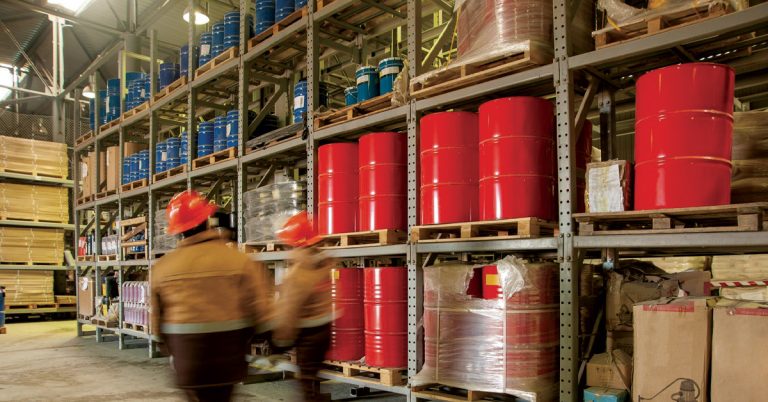
Charles Tennant Ireland can supply a wide range of packed formats of Peractic Acid, 22kg and 220kg drums and 1000kg IBC.
We can also supply various strengths to suit your needs